
How to Safely Hire Cleaning Help in Indonesia
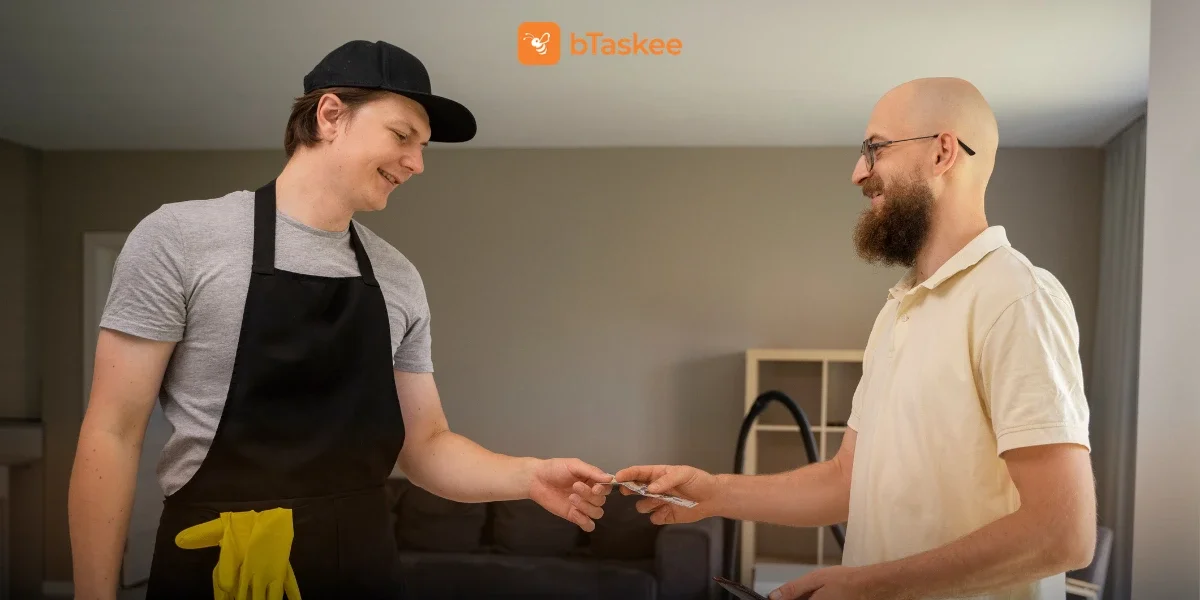
Relocating to or living in Indonesia offers a vibrant lifestyle, but managing home maintenance across unfamiliar legal frameworks, cultural differences, and language barriers often creates friction for expatriates and busy residents.
Finding trustworthy household assistance while protecting your personal safety, property, and legal standing can feel like a complex process.
The safest strategy for securing household support requires a structured approach: understanding key labor regulations like Domestic Worker Protection (PPRT), conducting rigorous candidate verification through government-issued identification and official police checks, and choosing the right service model for your specific routine.
This comprehensive guide outlines the exact legal, cultural, and practical steps needed to safeguard your home while securing reliable assistance.
Book bTaskee’s home cleaning service now!
1. Define Your Household Support Model
Before initiating your candidate search, clarify the specific scope of work required for your home. Understanding local expectations and apartment cleaning standards in Indonesia will help you define these tasks accurately, whether you require part-time assistance or a full-time live-in helper.
| Support Model | Primary Scope of Duties | Typical Commitment | Key Considerations |
|---|---|---|---|
| Part-time cleaner | Specific cleaning tasks (dusting, mopping, bathroom sanitation). | 2–4 hours per visit; 1–3 times weekly. | High flexibility; lower overhead; minimal legal complexity. |
| Full-time live-out helper | Daily cleaning, laundry, ironing, basic meal prep, or childcare. | 5–6 days per week; fixed daily working hours. | Requires contractual agreement, UMR wage compliance, and THR bonus. |
| Live-in domestic worker | Comprehensive household management, cooking, full caregiving. | 24/7 residency with designated rest hours & weekly day off. | Requires dedicated private room, meals, higher administrative responsibility, and cultural integration. |
| On-demand cleaning platform | Instant, task-based cleaning, deep cleaning, or specialized appliance maintenance. | Pay-per-use; flexible scheduling. | Maximum security; zero employer liability; background checks managed by the provider. |
Legal Distinctions Under Indonesian Labor Regulations
Understanding local legal standards ensures your household operates smoothly and ethically. Domestic employment in Indonesia is governed by updated labor standards designed to protect both employers and workers.
Law No. 2 of 2026 on Domestic Worker Protection (PPRT): Enacted on April 30, 2026, by the Indonesian Government, this legislation establishes official rights for domestic workers, including formal working hours, clear rest periods, transparent pay structures, and safe working conditions.
National Competency Standards: The Indonesian Ministry of Manpower (Kementerian Ketenagakerjaan) recognizes formal skill standards for domestic work, drawing a clear boundary between informal domestic favors and professional domestic services.
International Labour Organization (ILO) Compliance: International standards emphasize that domestic workers retain full ownership of their personal identification documents and receive designated off-duty rest time during live-in arrangements.
2. Select Safe Recruitment Channels
Where you source your candidates directly influences your household security. Evaluating the pros and cons of each channel allows you to manage risks effectively when figuring out how to hire cleaning help.
Recruitment Channels
Word-of-Mouth & Expat Community Networks (High Peer Vetting)
Licensed Placement Agencies / Yayasan (Formal Contracts)
Tech-Enabled On-Demand Apps (Zero Hiring Liability)
Option A: Expat Networks and Direct Referrals
Seeking recommendations from neighbors, building management, or local expatriate community groups (such as neighborhood chats or bulletin boards) provides built-in accountability.
Pros: First-hand feedback from previous employers regarding punctuality, honesty, and work ethic.
Cons: Personal recommendations do not eliminate the need for independent identity and background verification.
Option B: Licensed Domestic Agencies (Yayasan)
Formal employment agencies (Yayasan) recruit, screen, and place full-time or live-in helpers.
Pros: Agencies handle initial identity collection, medical history screening, and candidate replacement if the placement proves unsuitable within a probationary period.
Verification Rule: Always verify that the agency holds an active operating license registered with the Ministry of Manpower (Kemnaker).
Option C: Tech-Enabled On-Demand Platforms
For households seeking regular or episodic cleaning without assuming direct employer liabilities, modern technology platforms present the lowest security risk. Verified platforms handle background checks, quality control, and insurance, eliminating recruitment overhead.
3. Mandatory Vetting and Background Screening Protocol
Never skip background verification, even when candidates come recommended by trusted acquaintances. Establishing a systematic screening workflow protects your property and family before anyone enters your residence when hiring home cleaner candidates.
Candidate Verification Checklist:
[ ] Check Original KTP (National Identity Card) & KK (Family Card)
[ ] Request Official SKCK (Police Clearance Certificate)
[ ] Conduct Direct Calls with 2 Previous Employers
[ ] Execute In-Person / In-App Structured Interview
[ ] Agree on a Paid Trial Period
Step 1: Verification of Identity Documents
Request to inspect the candidate's original KTP (Kartu Tanda Penduduk - Indonesian Identity Card) and KK (Kartu Keluarga - Family Card). Verify that the photograph matches the candidate in person.
Note down official identity details, but avoid permanently withholding physical original documents, as retaining personal identity papers violates international labor standards.
Step 2: Police Record Check (SKCK)
Require candidates for direct, long-term employment to present a valid SKCK (Surat Keterangan Catatan Kepolisian). Issued by the Indonesian National Police (Polri), this document confirms that the individual has no active criminal record.
Step 3: Direct Reference Calls
Do not rely solely on written recommendation letters. Contact at least two previous employers directly via phone or messaging apps. Ask specific questions:
How long was the individual employed in your household?
What were their primary daily duties?
How did they handle household security, privacy, and instruction handling?
What was the exact reason for their departure?
Step 4: Structured Interview and Paid Trial
Conduct a structured interview to evaluate communication ability, comfort levels with household pets, child supervision expectations, and familiarity with modern cleaning appliances.
Follow the interview with a short, paid trial period (3–5 visits) to evaluate punctuality and work quality before committing to a long-term agreement. Never demand unpaid trial days.
4. Legal Compliance, Wage Standards, and Cultural Integration
Clear written agreements prevent misunderstandings, establish clear boundaries, and keep your household compliant with Indonesian labor laws when researching how to hire house helper staff.
Understanding Regional Minimum Wage (UMR / UMK)
Compensation for full-time domestic workers should align with regional economic standards. Wage expectations vary across Indonesia:
Major Urban Centers (Jakarta, Surabaya): Higher cost of living dictates higher base salary expectations [Insert Source Link: Regional Government Wage Decrees].
Secondary Hubs & Resort Areas (Bandung, Yogyakarta, Bali): Wage rates adjust based on local municipality (UMK) guidelines.
Clarify payment structures explicitly before work commences: hourly, daily, per visit, or monthly. Ensure extra duties (such as deep cleaning, ironing, cooking, or pet care) are agreed upon and compensated transparently.
Statutory Benefits
Employer responsibilities in Indonesia extend beyond monthly wages for full-time employees:
Tunjangan Hari Raya (THR): A mandatory annual religious holiday bonus equal to one month’s full salary. It must be paid at least seven days before the worker's major religious holiday (typically Idul Fitri for Muslim workers or Christmas for Christian workers). If employment has lasted less than 12 months, calculate the bonus pro-rata based on months served.
Healthcare Insurance (BPJS Kesehatan): Employers supporting long-term staff are strongly encouraged to register them for national health insurance (BPJS Kesehatan) to cover medical expenses and promote long-term stability.
Practical Communication and Work Terms
Miscommunication often stems from language barriers. While learning basic local phrases is helpful, many expatriates prefer recruiting an English-speaking home cleaner to ensure seamless communication and prevent daily operational misunderstandings.
Sample Formal Guidance (Indonesian / English):
"Jam kerja dari jam 08:00 sampai 12:00. Tugas utama: membersihkan rumah, kamar mandi, dan mencuci pakaian. Jika ada pekerjaan tambahan, kita bicarakan dulu."
(Working hours are from 8:00 AM to 12:00 PM. Main duties: cleaning the house, bathrooms, and doing laundry. Any additional tasks will be discussed beforehand.)
5. In-Home Security Protocols and Boundary Management
Maintaining security within your home requires practical systems that protect your household while fostering a respectful environment for workers when how to hire cleaning help is top of mind.
Security Best Practices:
Secure Cash, Passports & High-Value Jewelry in a Safe
Install CCTV Cameras in Public / Common Areas (Living Room, Hallway)
Accompany the Helper During Initial Cleaning Visits
Limit Physical Key & Smart Lock Access
Here is the detailed explanation:
Safeguard Sensitive Belongings: Store passports, banking tokens, credit cards, confidential work documents, and cash in locked safes or locked private rooms.
CCTV Guidelines: Installing security cameras in common areas (living rooms, kitchens, entryways) offers mutual protection and transparency. Always inform staff about camera locations in common areas; cameras must never be placed in private quarters or bathrooms.
Key and Access Management: Issue digital access codes or physical keys only after mutual trust is established. Deactivate temporary codes promptly if an employment arrangement concludes.
6. The Hassle-Free Alternative: Why Tech-Enabled Home Care Beats Direct Hiring
Directly recruiting individual helpers requires managing background verification, wage negotiations, holiday bonus obligations, and scheduling gaps during worker absences.
For expatriates and busy urban households seeking absolute security without administrative burdens, partnering with a professional home cleaning service offers a safer, streamlined alternative.
This is where bTaskee delivers an end-to-end household management solution tailored specifically for modern residential standards.
| Aspect | Direct Hiring | bTaskee Platform |
|---|---|---|
| Vetting | Manual (ID Card check) | 100% background-checked |
| Pricing | Negotiable/flexible | 100% upfront and transparent |
| Guarantees | Self-insured | 7-day service and loss protection |
| Absence Coverage | No immediate backup | Instant auto-replacement |
| Booking Speed | Days to weeks | 30-second app order |
| Equipment | Owner supplies | Fully-equipped taskers |
Why bTaskee is the Ideal Home Maintenance Partner
Uncompromised Safety & Vetted Professionals: Every bTaskee helper (Tasker) undergoes rigorous background screening, including police record verification, identity checks, face-to-face interviews, and standardized SOP training. When a Tasker arrives at your doorstep, you can verify their identity instantly by scanning their official QR code via the app.
7-Day Satisfaction & Protection Guarantee: Enjoy complete peace of mind. bTaskee backs its services with a 7-day guarantee. If any cleaned area fails to meet quality standards, a Tasker will return to re-clean at no additional cost. Furthermore, coverage policies protect your household against accidental damage or loss.
Absolute Price Transparency: Forget price haggling or surprise fees. Rates are clearly calculated upfront based on duration or square footage. What you see in the app before booking is the exact final price.
Speed and Convenience On-Demand: Book professional home care in as fast as 30 seconds, receiving Tasker confirmation within 60 minutes. Need cleaning during national holidays or weekends? bTaskee operates 365 days a year without interruption.
Fully Equipped Service: You don't need to stock specialized gear or chemical agents. Taskers arrive equipped with professional cleaning gear and eco-friendly cleaning solutions (including Loxus-standard formulas for specialized tasks).
Flexible Control & Ecosystem: Customize your experience by saving your Favorite Tasker, selecting gender filters, or scheduling recurring visits via subscription options. Beyond general housekeeping, bTaskee provides a complete residential care ecosystem across major Indonesian cities, including Jabodetabek, Bandung, Cimahi, Semarang, Yogyakarta, Sleman, Sidoarjo, Surabaya, Denpasar, and Ubud.
By choosing a technology-driven partner when hiring home cleaner assistance, you bypass the legal complexities of direct domestic employment while enjoying premium, safe home care. If you are evaluating how to hire house helper support without administrative risks, app-based platforms deliver complete peace of mind.
Streamline Your Household Care Today
Securing trustworthy help in Indonesia does not have to be a stressful process. By setting clear boundaries, verifying credentials, and respecting local labor standards, you can establish a safe household setup.
For those who value time, security, and consistent quality, switching to a verified on-demand platform simplifies home care into a single tap on your smartphone.
Ready to experience effortless, highly secure home care? Download the bTaskee app today, choose your preferred service, and let verified professionals keep your living space spotless!
Share this post!