
Understanding Cleaning Standards in Your Indonesian Apartment
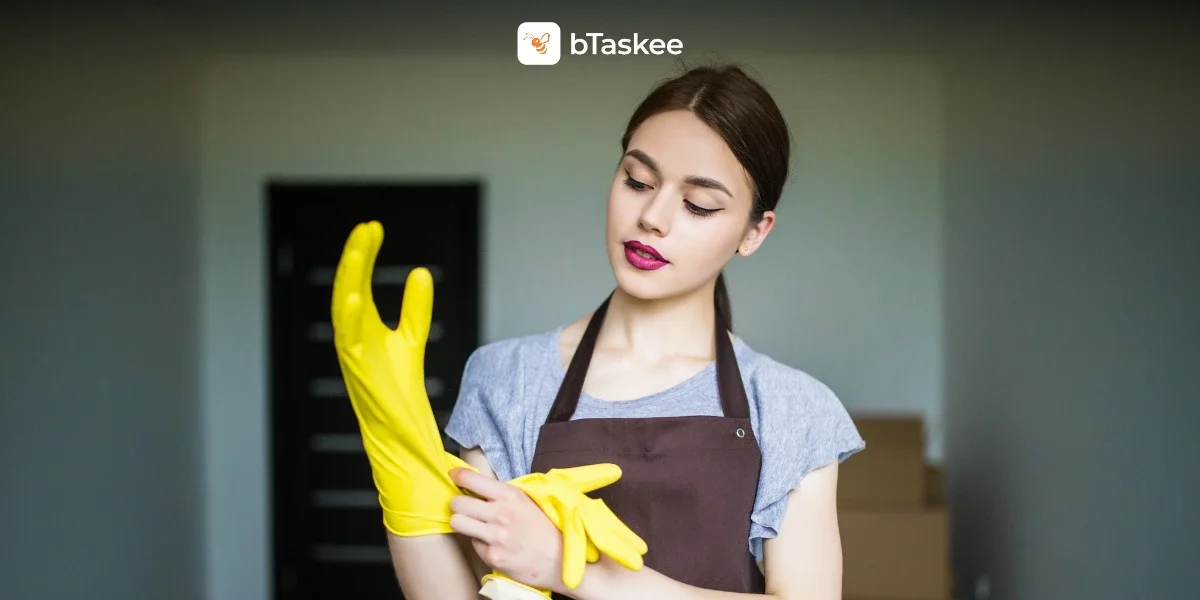
To achieve pristine cleaning standards in an Indonesian apartment, expats must look past traditional Western housekeeping models and adapt to a system that prioritizes combatting tropical humidity, rapid micro-dust accumulation, and specialized wet-area maintenance.
While Western domestic routines often rely on weekly vacuuming and dry-surface dusting, maintaining a healthy, allergen-free living space in Southeast Asian urban hubs requires daily moisture control, deep grout sanitization, and strict pest prevention protocols.
Relocating to a luxury high-rise in South Jakarta’s SCBD, a vibrant condo in Surabaya, or a tropical villa apartment in Bali is an exciting milestone, yet many expatriates quickly encounter a frustrating operational gap.
You might notice that despite hiring local domestic help, sticky residues persist on tiled floors, bathroom glass accumulates cloudiness at an alarming rate, and wardrobe corners gather mildew within a matter of weeks.
This disconnect does not stem from a lack of effort, but rather from a fundamental mismatch between deep-seated local cleaning habits and the rigorous architectural upkeep demanded by Indonesia’s intense equatorial climate.
Book bTaskee’s apartment cleaning service now!
The Cultural and Climatic Context of Indonesian Cleaning Habits
Understanding the underlying environmental and cultural forces in Indonesia is essential to mastering local residential upkeep.
Whether you plan to manage daily chores yourself or decide to hire cleaning help in Indonesia, domestic routines here have evolved to tackle unique challenges that simply do not exist in temperate Western climates.
Daily Sweeping and Mopping vs. Weekly Deep Cleaning
In Western households, a thorough weekly vacuuming session is often sufficient to keep carpets and hardwood floors immaculate. In Indonesia, however, the combination of high atmospheric dust, vehicular emissions in metropolitan areas, and open-air architectural designs makes a weekly schedule obsolete.
Rapid Dust Accumulation: According to environmental monitoring data from the Indonesian Meteorology, Climatology, and Geophysical Agency (BMKG), urban air frequently contains elevated particulate matter levels that settle indoors within hours.
The Daily Necessity: Local cleaning traditions dictate sweeping and mopping at least once—if not twice—every single day.
Scented Sanitization: Rather than focusing solely on dry vacuuming, local methods favor wet mopping using powerful, aromatic disinfectants designed to neutralize tropical bacteria and leave a long-lasting fragrance.
The "No-Shoe Zone" and The Reality of Indonesian Wet Bathrooms
Two distinct architectural and cultural factors heavily influence household hygiene expectations in Indonesia, which are the strict prohibition of outdoor footwear inside the home and the structural layout of domestic wet rooms.
The Barefoot Mandate: Crossing the threshold of an Indonesian apartment means leaving your shoes at the door. Walking barefoot or using designated indoor slippers is a universal cultural rule that keeps heavy outdoor grime outside.
The Architecture of Wet Bathrooms: Unlike Western bathrooms, which feature isolated, dry zones with enclosed showers, traditional and mid-tier Indonesian bathrooms are designed as complete "wet areas." Water often flows freely across the entire tiled floor toward a central drain.
The Drying Disconnect: Because local habits are accustomed to floors that dry naturally via ventilation, explicitly wiping down shower glass, squeegeeing floors, or drying surfaces after every use is rarely part of a standard domestic routine unless specifically trained.
Crucial Move-In Standards for Indonesian Apartments
Before signing a lease or accepting the keys to your new home, you must establish a clear benchmark for handover hygiene. Ensuring your landlord meets international apartment cleaning standards before move-in will save you months of maintenance headaches.
MOVE-IN CLEANLINESS CHECKLIST
| Aspect | Criteria | Fulfillment |
|---|---|---|
| Pest-Free Verification | Zero traces of ants, roaches, or droppings | [ ] |
| Hard Surface Restoration | Smooth, non-sticky marble and scaled-free grout | [ ] |
| AC System Sterilization | Full chemical wash of blowers and coils | [ ] |
| High-Level Dusting | Clean ceiling fan blades and window tracks | [ ] |
Establishing a Certified Pest-Free Environment
A premium apartment handover must be entirely free from tropical pests. Inspect the interior perimeters meticulously:
Check the back corners of kitchen cabinets, underneath sinks, and behind major appliances for signs of German cockroaches or Pharaoh ants.
Ensure there are no rodent droppings near utility closets or drop-ceiling access panels.
Request a professional pest control treatment certificate from the building management or landlord before your official move-in date.
Eliminating Bathroom Limescale and Deep Cleaning Hard Floors
Indonesian properties rely heavily on natural stone, marble, or high-gloss ceramic tiles, all of which require specialized chemical treatments to look clean.
Marble Polish: Ensure that premium marble flooring has been treated with pH-neutral stone cleaners and buffed to eliminate the sticky residue left by cheap, acidic floor soaps.
Grout and Glass Detailing: Walk into the bathrooms and inspect the fixtures. Shower glass must be entirely clear of opaque water spots, and tile grout must be free of orange or black biological film.
Mandatory Air Conditioner (AC) Servicing for Air Quality
In the tropics, air conditioning units act as the primary lungs of your apartment. Because these systems run continuously to battle Jakarta or Bali's intense heat, they accumulate dust and moisture rapidly, creating an ideal breeding ground for toxic spores.
The Clean-Air Mandate: A non-negotiable move-in standard is a comprehensive, professional AC servicing.
Scope of Work: The service must include washing the removable mesh filters, deep-cleaning the indoor blower wheel, and flushing the condensation coils.
Health Impact: Neglecting this step severely compromises indoor air quality, frequently triggering respiratory issues, asthma flare-ups, and persistent coughing among newly arrived expats.
Combating the Big Three Tropical Cleanliness Challenges
Living in an equatorial environment means entering a constant battle against natural elements. Three specific challenges require ongoing attention to preserve both your health and your personal property.
High Humidity, Mold, and Mildew Infestations
Data from the World Bank Climate Change Knowledge Portal notes that Indonesia maintains an average relative humidity level hovering between 75% and 85% year-round. This constant atmospheric moisture accelerates the growth of mold and mildew on indoor surfaces.
Hidden Damage: Spores thrive in dark, unventilated zones, such as behind heavy wooden headboards, inside walk-in wardrobes, and along the back panels of kitchen cabinetry.
Material Decay: Left unchecked, mildew can permanently ruin expensive leather goods, designer clothing, and natural wood furniture fabric within weeks.
Hard Water Minerals and Chronic Limescale Accumulation
The municipal and groundwater supply across many Indonesian cities features an exceptionally high mineral content, packed with dissolved calcium and magnesium ions.
The Limescale Problem: As water splashes onto bathroom fixtures, glass panels, and chrome taps and evaporates, it leaves behind a tough, white crust known as limescale (hard water scale).
Long-Term Etching: If allowed to accumulate, these mineral bonds can permanently etch glass surfaces, turning expensive tempered shower enclosures permanently dull and cloudy.
Persistent Pests
Indonesia’s rich biodiversity is wonderful in nature, but highly frustrating when it moves into your kitchen. The warmth and ambient humidity mean that pests are highly active all year long.
Micro-Crumbs Attraction: Dropping a single sugar crystal or leaving a drop of juice on a countertop can attract a massive trail of tiny Pharaoh ants within minutes.
Structural Entry Points: High-rise apartments are not immune; pests travel effortlessly through shared plumbing lines, trash chutes, and electrical conduits, requiring flawless kitchen sanitation to keep them at bay.
Navigating the Apartment Cleaning Services Ecosystem in Indonesia
Expatriates living in non-serviced residences have several pathways to manage their household cleaning standards, each offering distinct operational models, price points, and management styles.
INDONESIAN CLEANING SERVICE MODELS
| Service Type | Expected Cost | Pros | Cons |
|---|---|---|---|
| Serviced Apartments | Included in rent/premium | Zero management | High base rent |
| Private Helpers | Rp2,500,000-Rp4,000,000 per month | Deep personalization | Management overhead |
| App-Based Cleaners | Rp45,000-Rp120,000 per hour | Maximum flexibility | Vetted quality vary |
Serviced Apartments vs. Traditional Private Helpers (Pembantu)
For those residing in elite business districts like Kuningan, Mega Kuningan, or Sudirman, premium platforms like Ascott The Residence offer built-in, hotel-grade daily housekeeping, automated linen changes, and standard dishwashing.
However, for the thousands of expats living in conventional condominiums, the choice usually falls between hiring a traditional private helper or using modern digital solutions.
The Traditional Helper (Pembantu): Hiring a live-in or live-out domestic worker remains a popular choice. Found through word-of-mouth recommendations on expat community forums, helpers offer personalized care, including laundry and cooking.
The Management Challenge: The downside includes significant management overhead. Language barriers often prevent clear communication regarding specific international cleaning standards. To overcome this gap, many expats prioritize hiring an English-speaking home cleaner to ensure seamless instructions and prevent costly misunderstandings in daily housekeeping.
The Rise of On-Demand, App-Based Professional Cleaners
For busy professionals, digital nomads, and families who value their privacy, on-demand applications have transformed the residential service sector.
Flexibility and Scale: These platforms allow users to book hourly or package-based cleaning sessions with a few taps on a smartphone.
Standardized Pricing: Market rates generally span from Rp45,000 to Rp120,000 per hour, depending directly on the room size, scope of work, and specialized equipment requirements.
Operational Ease: Utilizing modern app-based apartment cleaning services eliminates the complexities of long-term employment contracts while providing immediate access to structured, professional cleaning teams.
Must-Have Local Cleaning Products for Your Household Arsenal
If you manage your own cleaning routines or guide a part-time helper, you need to know the specific local products available in leading expat-oriented supermarkets such as Grand Lucky, Hero, or Ranch Market.
Advanced Floor Disinfection: Ditch standard water-only mopping and use So Klin Lantai or Wipol. Wipol relies on a pine-infused, high-disinfectant formula that cuts through the unique grease and humidity residues typical of tropical floors while acting as a natural insect deterrent.
Atmospheric Moisture Control: Place several boxes of Bagus Serap Air (water absorbent) inside every enclosed wardrobe, shoe cabinet, and pantry closet. These self-contained dehumidifier cups draw excess moisture out of the air, trapping it as liquid water to protect clothes from mold.
Targeted Pest Control: Keep professional-grade sprays like Baygon or Vape readily available. For long-term prevention, use localized gel baits inside kitchen cabinets to stop pest infestations at the source without spraying chemicals near your food prep areas.
How bTaskee Aligns Local Expertise with Global Standards
Transitioning to a new home should not mean compromising on the standard of cleanliness you expect. This is where bTaskee steps in, completely modernizing the domestic service industry by successfully bridging the gap between local cleaning practices and strict international cleaning standards.
Rather than operating as a simple directory for unvetted freelance cleaners, bTaskee treats home upkeep as a precise science. Every single cleaning partner undergoes a rigorous, multi-stage training curriculum before taking on their first assignment.
They are trained in material-specific care, learning exactly how to treat delicate Indonesian marble with custom pH-neutral formulas, remove stubborn bathroom limescale without scratching tempered glass, and handle premium upholstery safely.
Furthermore, bTaskee’s professionals follow strict cross-contamination prevention protocols, utilizing color-coded microfiber cloths and organized workflows to ensure kitchen sanitization tools never mix with bathroom gear.
By combining the natural warmth and dedication of local hospitality with modern, systematic operational standards, the platform delivers a reliable, hassle-free experience customized for demanding residential layouts.
Experience Flawless Living Today
Maintaining a fresh, healthy, and pristine home in a tropical environment does not have to be an uphill battle. By understanding the unique demands of local climates and choosing an elite, highly structured service provider, you can enjoy a spotless home without the stress of constant supervision.
Let the professionals handle the details so you can focus on enjoying your stay in Indonesia. Get the bTaskee app from the Google Play Store or Apple App Store today, schedule your tailored session, and discover how easy it is to secure a truly world-class clean with your new trusted household helper.
Share this post!