
8 Fall Risks at Home for Seniors, Plus Safe Bathroom Cleaning

Many families have older adults who must stay home alone while their children and grandchildren are out at work, so accidents can happen without warning. Slipping and falling in the bathroom, the kitchen, or a hallway cluttered with obstacles is especially common, and it can lead to injuries, broken bones, and long-term effects on daily life. Keeping the home clean, the floors non-slippery, and the space tidy is one way to help reduce these risks.
This article walks you through 8 slip-and-fall risk spots in the home that deserve attention when older adults live there. It also explains how to scrub the bathroom clean, reduce built-up residue, and make wet areas safer, so that parents and grandparents can live at home with peace of mind.

Quick Check: 8 Slip-and-Fall Risk Spots in the Home
Sometimes the danger comes from small details we have never noticed, so it pays to regularly check cleanliness, floor condition, and the items placed around the house. Here are 8 spots to check for an older adult's safety.
1. Bathroom
Risk: Floors that are always wet, soap and shampoo residue, and algae or slime on the floor or in hidden corners can make the floor slippery, especially where a person steps in and out of the shower area.
What to do: Scrub the floor and grout regularly, rinse all bath product residue away, and squeegee the water off after use. If you find algae or stubborn stains, clean them with a method that suits the floor type, and check that the floor dries well.
Beyond cleaning, consider installing grab bars and using non-slip mats suited to wet areas. Detailed bathroom scrubbing instructions are in the next section.
2. Kitchen
Risk: Cooking oil, spilled water, food scraps, and sticky residue on the floor can cause slips, especially in front of the stove, around the sink, and next to the refrigerator.
What to do: Wipe up water and food scraps as soon as you see them. For greasy stains, use a degreaser suited to the flooring material; for ordinary dirt, a neutral floor cleaner works. After cleaning, rinse or wipe off cleaner residue as the label directs, and dry the floor completely before use to help reduce the risk of an older adult slipping.
3. Hallways and Living Room Floors
Risk: Dust, dirt, glossy floors, and items left in walkways can increase the chance of tripping or slipping, especially when an older adult walks barefoot.
What to do: Sweep or vacuum regularly, mop with a method that suits the floor material, and keep walkways clear. If the floor gets wet, dry it immediately, and avoid cleaners that leave a slippery film on the floor.
4. Bath Mats and Rugs
Risk: Bath mats that slide around, rug edges that curl up, or rugs so thick that they cause tripping can make an older adult lose balance, even though they look harmless.
What to do: Choose flat-edged rugs with a non-slip backing that stay firmly attached to the floor. Wash rugs regularly to remove soap residue and dirt, and avoid loose rugs in areas people walk through often.
5. Electrical Cords and Obstacles
Risk: Cords stretched across walkways, boxes, shoes, or items left lying around can cause tripping, especially for older adults who cannot lift their feet very high or who have balance problems.
What to do: Put things away, route cords along the wall or use a suitable cord cover, and keep walkways wide enough. Do not leave items temporarily in the walkway, even if you intend to put them away later.
6. Bedroom and the Path to the Bathroom at Night
Risk: Poor lighting, items beside the bed, and getting out of bed too quickly can make an older adult dizzy or misstep on the way to the bathroom.
What to do: Keep the area beside the bed clear, store shoes and belongings neatly, and install night lights along the path to the bathroom. If an older adult feels dizzy when changing position, they should consult a healthcare professional to find the cause.
7. Stairs and Changes in Level
Risk: Dusty steps, slippery residue, damaged step edges, or level changes without warning marks can cause an older adult to trip or misstep.
What to do: Clean the stairs regularly, keep items off the steps, and check that the handrail is secure. Mark any change in level so it is clearly visible, and consider improving any unsafe area.
8. Front of the House, Balcony, and Algae
Risk: Rain, standing water, algae on concrete floors, and dirt near the entrance can make the floor slippery, especially in shaded areas that dry slowly.
What to do: Sweep away leaves and dirt, check for standing water, and clean algae with a product suited to the surface. Then rinse it off completely and let it dry before an older adult walks through. Avoid unnecessary high-pressure water spraying, because it can spread water around and create hazards during cleaning.
How to Scrub the Bathroom Clean and Safe, Without Leaving It Slippery
The bathroom deserves special attention because water, humidity, and built-up bath product residue are always present. Knowing how to scrub a bathroom properly helps you clean thoroughly, reduce the residue that can make floors slippery, and leave the bathroom safer to use.
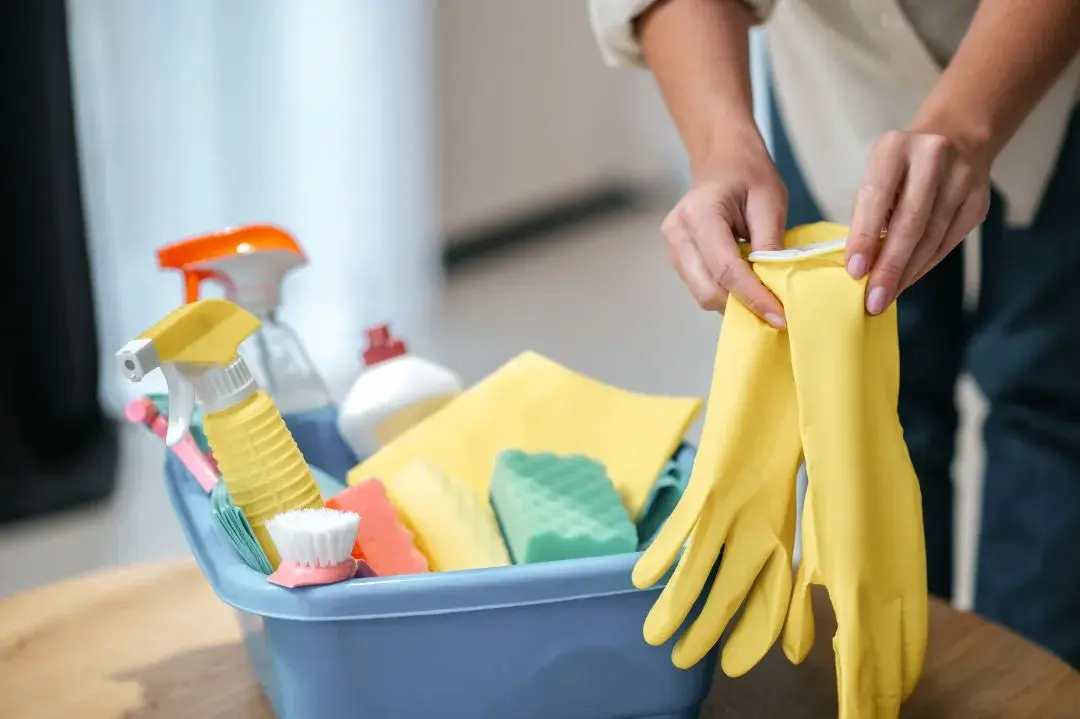
Prepare Equipment and Safety Measures
Before you start, get everything ready so you do not have to walk around fetching items while the floor is wet:
Rubber cleaning gloves
A scrub brush for the floor and a small brush for grout lines
A sponge or microfiber cloth
A cleaner suited to the surface
A squeegee and a dry cloth
Non-slip footwear for the person cleaning
Open a door or window for ventilation, and read the cleaner's label before every use, especially the instructions on contact time and rinsing.
Important warning: Never mix different cleaning products, especially bleach with an acidic toilet cleaner, or any product containing ammonia, because toxic gas that harms the respiratory system can form. If you accidentally mix them and notice a sharp smell or irritation, leave the area immediately for a well-ventilated place, and seek help if you have any unusual symptoms.
Step-by-Step Scrubbing
Step 1: Clear the area. Take out shampoo and soap bottles, buckets, and anything else on the floor first, so you can clean thoroughly and have fewer obstacles while working.
Step 2: Clean from top to bottom. Start with shelves, walls, and areas with water stains, then clean the sink, the toilet, and the floor. This keeps dirt from above from falling onto areas you have already cleaned.
Step 3: Use the cleaner as directed. Choose a product that suits the type of stain and the surface material. If the label says to leave the product on for a while, follow the stated time. Do not increase the concentration or mix your own solutions to speed up results.
Step 4: Scrub thoroughly. Use a brush on areas with soap scum, dirt, and built-up residue, focusing on spots with high humidity. Do not use a hard brush or coarse abrasives on surfaces that scratch easily.
Step 5: Rinse the cleaner off completely. Rinse the floor and every area where you used cleaner thoroughly, following the product's directions. Do not leave cleaner residue behind, because it can make the surface sticky, slippery, or irritating to the skin.
Step 6: Squeegee and dry. Use a squeegee to push water toward the drain, then wipe any wet areas dry. Let air circulate, and stay out of the space until it is safe. Letting the floor dry also reduces the moisture that encourages stains and algae.
Areas That Need Extra Attention
Bathroom scrubbing should not cover only the areas you can easily see, because small damp spots can also become places where residue builds up.
Grout lines: Scrub carefully with a small brush, and choose a cleaner suited to that type of grout.
Floor corners and wall edges: Check for build-up where water does not drain easily.
Drain: Remove hair and debris safely so water does not drain slowly and pool.
Shower area: Focus on removing soap and shampoo residue left on the floor.
Under shelves and around fixtures: Check the hidden spots that general cleaning often overlooks.
If algae has grown thickly on the floor, stains are deeply set, or the floor surface has begun to deteriorate, look into the cause and choose a suitable fix, rather than using strong chemicals or scrubbing aggressively without knowing the material.
Precautions for Each Floor Material
Each bathroom floor type needs different care. The wrong cleaner or tool can damage the surface or leave residue that makes the floor slippery.
Ceramic or porcelain tile: Use a cleaner made for tile and rinse it off completely. Watch out for glossy glazed surfaces, which can be slippery when wet.
Natural stone, such as marble: Avoid acidic cleaners, which can etch or damage the stone. Choose products labeled as safe for natural stone.
Non-slip tile: Although the textured surface adds friction, soap scum and dirt can still build up, so clean it regularly.
Vinyl or synthetic flooring: Check the manufacturer's recommendations, and avoid chemicals or scrubbing methods that could damage the protective coating.
If you are not sure what material your bathroom floor is, test the product on a small, inconspicuous area first, or consult a materials and cleaning specialist.
Quick Habits After Every Shower
You do not need to wait until buildup is hard to clean. A little care after each use reduces humidity and makes the next cleaning easier:
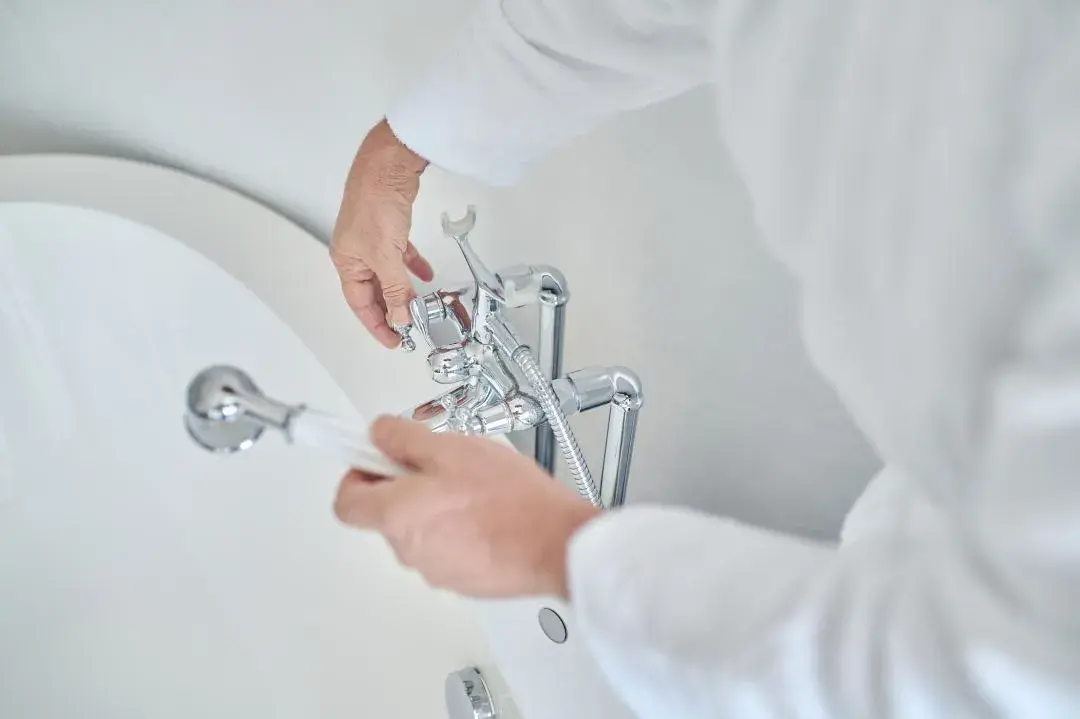
Squeegee water off the shower floor.
Keep soap and shampoo bottles organized, not lying on the floor.
Wash bath mats regularly and hang them to dry completely.
Ventilate the room to reduce humidity.
Check for spots where water pools or drains slowly after a shower.
Most importantly, remind older adults not to rush across a wet floor, and keep the things they need within easy reach, so they do not have to bend down or stretch too far.
Beyond Cleanliness: What Else to Change at Home
Even with regular cleaning, if the surroundings are not suitable, older adults can still be at risk of slipping and falling. It is worth adjusting the home alongside cleaning:
Install grab bars: Especially in the bathroom and on the stairs, and fix them firmly to a suitable structure.
Choose non-slip flooring: Consider materials or anti-slip strips suited to each area, and make sure the edges do not lift enough to cause tripping.
Provide a shower chair: Suitable for older adults who tire from standing for a long time while showering or who cannot keep their balance.
Add night lighting: It helps make the path from the bedroom to the bathroom clearly visible.
Inspect the home regularly: Repair damaged flooring, loose grab bars, and areas with water leaks or seepage.
If you need to install equipment or modify the structure of the house, consult a technician or a specialist in adapting homes for older adults, so that everything is secure and fits each person's needs.

DIY or Get Professional Help?
Tasks You Can Do Yourself
General upkeep, such as wiping water off the floor, tidying items, washing bath mats, sweeping, and cleaning fresh stains, can become a routine. Choose suitable tools, and take care that the floor does not get wet while you work.
If the older adult can still do housework, choose tasks that do not involve climbing, lifting heavy items, or bending over for long periods. Older adults should not scrub wet floors or climb stairs to clean risky spots where they could lose their balance.
Tasks Best Left to Professionals
For homes with long-standing buildup, stubborn algae, or several areas that need a Big Cleaning service, having experienced people help may make the job easier, especially when the homeowner or family members have limited time.
However, tell the service provider in advance that an older adult lives in the home, and place importance on rinsing cleaner off completely, drying the floor, and choosing products suited to each material, so that no extra risk is created after cleaning.
Living Far Away? You Can Book for Your Parents
For people who work in another province or do not live in the same house as their parents, finding time to go back and clean the house may not be easy. But keeping the environment clean and safe is something you can plan ahead.
If you want to share the housework burden, you can consider booking a cleaning service from bTaskee to help care for the various areas of the home. There is also an elderly care service with experienced, certified professional caregivers, to give older adults more safety and their children more peace of mind.
Why Falls at Home Are a Big Deal for Older Adults
As people age, balance, vision, and muscle strength may decline, making it harder for older adults to cope with slippery floors, obstacles, or changes in floor level than younger people. Even a minor accident at home can affect health more than you might expect.
The Numbers on Risk for Older Adults
The World Health Organization (WHO) states that falls are the second leading cause of unintentional injury deaths worldwide, with around 684,000 deaths a year, and that people over 60 account for the largest share of fatal falls.
For older adults, WHO data published in Thailand through Thai Post states that people aged 65 and over have roughly a 28-35% chance of falling each year, rising to 32-42% at age 70 and over. Of those who fall and break a bone, 1 in 5 cannot walk again.
One Fall Is Not a Small Matter
A fall can cause bruises, muscle injuries, broken bones, or head injuries, which can be more severe in older adults who have underlying conditions or fragile bones.
In addition, the fear of falling again can make older adults afraid to walk or take part in activities, leading them to move less, lose muscle strength, and lose confidence in daily life.
How Much Can Cleanliness Help?
Regular home cleaning reduces grease, dust, standing water, and obstacles that can cause tripping or slipping, but cleanliness alone cannot prevent every accident.
Homes with older adults should also consider adapting the environment, such as installing grab bars, using suitable non-slip flooring or mats, providing enough light, and checking that stairs are sturdy.
FAQ: Frequently Asked Questions
1. Which spot in the home is the most likely place for an older adult to slip and fall?
The bathroom is the highest-risk spot for slips and falls in a home with older adults, because the floor gets wet easily and soap scum and algae build up. Next to watch are the kitchen, stairs, rugs, and walkways with obstacles.
2. How should I scrub the bathroom so it is clean and not slippery?
Use a cleaner suited to the surface, scrub soap scum and dirt thoroughly, rinse the cleaner off completely, then squeegee and wipe the floor dry before use.
3. How often should I clean the bathroom?
Squeegee and dry the floor after every use, and scrub the whole room at least once a week. If many people use it or soap scum builds up quickly, clean more often.
4. Which type of bathroom cleaner suits each floor type?
Choose a cleaner according to the material and the manufacturer's recommendations. For example, natural stone floors should avoid acidic cleaners, and you should never mix different cleaners together.
5. Besides cleaning, how can I prevent older adults from slipping and falling?
Install grab bars, provide enough lighting, keep items out of walkways, and use flooring or mats suited to each area that resist slipping.
6. If I don't have time to clean my parents' home, can I book a service?
You can consider booking a cleaning service from bTaskee to help share the housework. Tell the provider in advance about the areas involved and the precautions for a home with older adults.
References
Falls, World Health Organization (WHO)
Falls in Older Adults: Prevention Starts With Yourself (Thai), Thai Post
Share this post!