
Damp House in Rainy Season? 10 Mould Prevention Tips

Have you noticed a musty smell in your wardrobe, dark spots on your bathroom ceiling or damp patches on your walls during the rainy season? These are common signs of excess moisture, and moisture is exactly what mould needs to grow inside your home.
In Malaysia, the monsoon season brings frequent rain and high humidity. When moisture builds up indoors, especially in rooms with poor ventilation, it can affect walls, ceilings, mattresses, sofas and air-conditioning units.
The good news is that a few simple habits can keep a damp house under control. In this guide, you'll learn why mould spreads so fast during the monsoon, 10 practical mould prevention tips, the hotspots worth checking every week, and when it makes sense to book professional cleaning.
Why Mould Spreads Fast in Malaysian Homes During the Monsoon
Mould is a type of fungus that grows when moisture stays on surfaces or inside materials. Mould spores are always present in the air, but they only turn into visible growth when conditions are right.
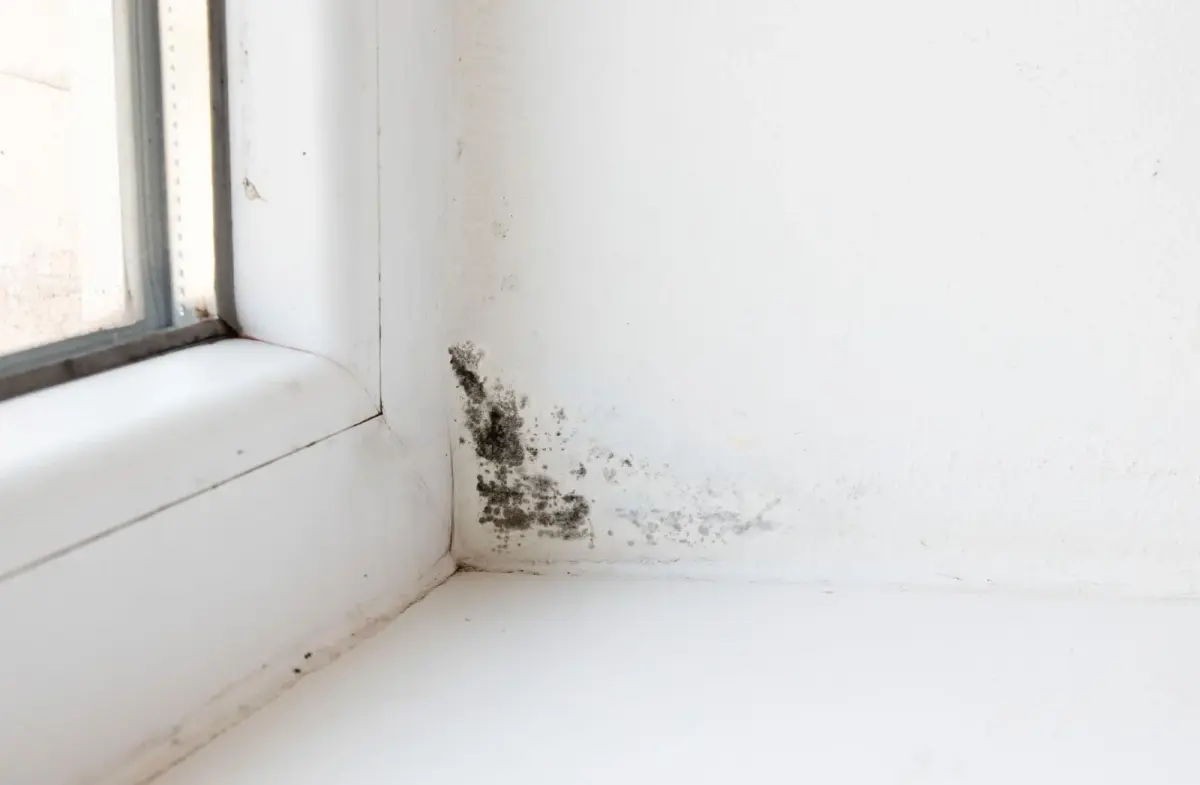
During the monsoon, these factors raise the risk of mould indoors:
High humidity: Moist air makes it harder for walls, clothes and upholstery to dry completely. Indoor relative humidity above 60% can encourage mould growth. Ideally, aim for 30% to 50% where practical.
Poor ventilation: Keeping windows shut for days limits air circulation. Bathrooms, wardrobes and storerooms become especially damp.
Water leaks and condensation: Leaking roofs, windows, pipes and aircond drainage bring moisture indoors. Condensation also collects on cool walls, windows and pipes.
Damp furniture and fabrics: Mattresses, curtains, carpets and sofas hold on to moisture, especially in a room that stays humid for long periods.
Infrequent cleaning: Dust and dirt give mould something to grow on. Areas behind wardrobes and under furniture are easy to miss.
According to the US Environmental Protection Agency (EPA), moisture control is the key to preventing indoor mould. Cleaning visible growth alone is not enough if the moisture problem is still there.
10 Mould Prevention Tips for the Rainy Season
Preventing mould at home starts with three things: control moisture, improve airflow and keep damp areas dry. Here are 10 habits to adopt during Malaysia's rainy season.
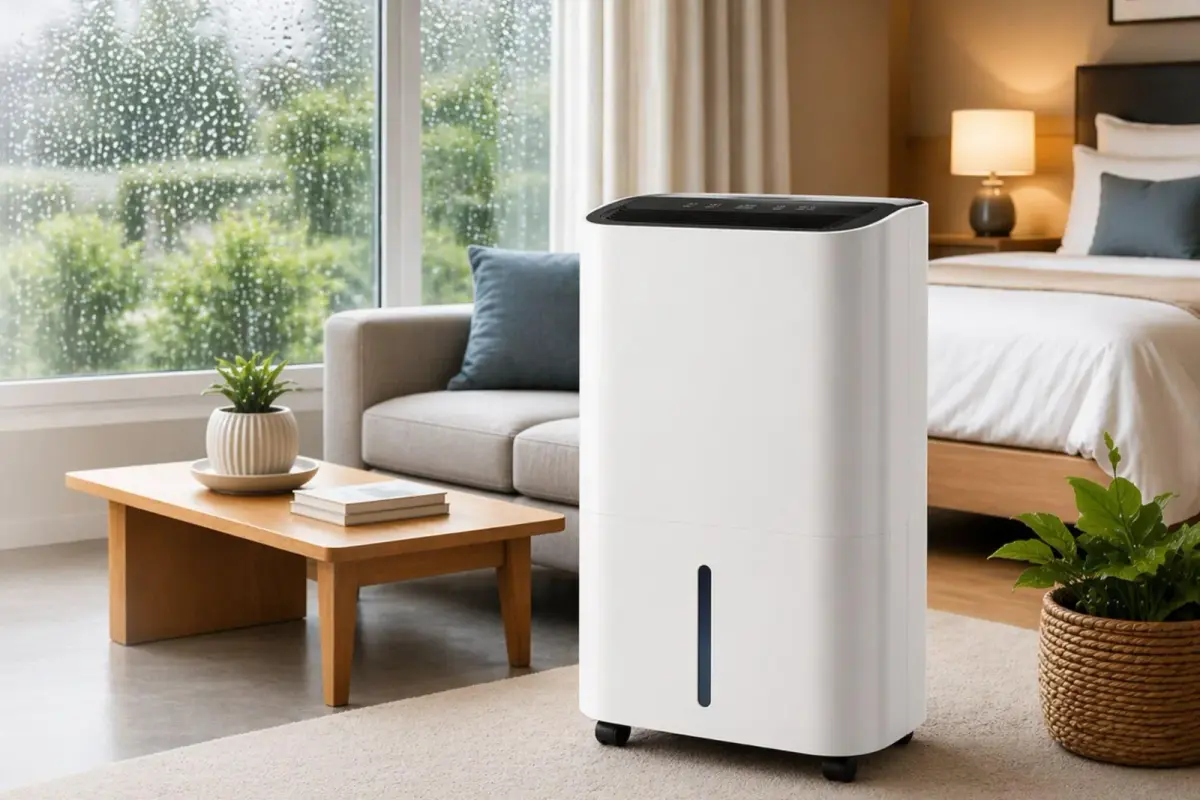
1. Keep Indoor Humidity Under Control
Use a hygrometer to check indoor relative humidity. If readings are often above 60%, use a dehumidifier or the dry mode on your air conditioner.
Avoid running a humidifier during already humid weather. Empty and clean the dehumidifier's water tank regularly, following the manufacturer's instructions.
Tip: Place a humidity monitor in rooms where you often notice condensation or a musty smell.
2. Improve Ventilation When the Weather Allows
Good ventilation reduces stagnant air and lets moisture escape. Open windows when it is not raining, run the bathroom exhaust fan during and after showers, and use the kitchen hood while cooking.
If the outdoor air is very wet, opening windows may bring in more moisture. On those days, rely on aircond dry mode or a dehumidifier instead. In a condo, pay extra attention to bedrooms, bathrooms and storerooms with little airflow.
3. Fix Leaks and Dry Wet Areas Quickly
A small leak becomes a big problem when water keeps entering the same spot. Check your home for:
Water stains on ceilings and walls.
Leaking pipes under sinks.
Water coming in through windows or balcony doors.
Damp patches around aircond units.
Constant condensation on windows.
Repair the source instead of just wiping the water away. Dry wet materials as soon as possible, ideally within 24 to 48 hours. If you rent a condo, report suspected structural leaks to your landlord or building management quickly.
4. Keep the Bathroom Dry After Showering
Bathrooms are one of the most common mould hotspots. After every shower:
Run the exhaust fan to remove humid air.
Squeegee water off shower screens and tiled walls.
Wipe standing water from counters and ledges.
Hang wet towels where they can dry completely.
Clean grout and corners regularly.
If dark spots keep coming back on the ceiling above the shower, check for poor ventilation or a hidden leak.
5. Stop Mould Inside Wardrobes
A closed wardrobe traps moisture, especially when clothes go in slightly damp. To protect clothes and wooden furniture:
Store only clothes that are completely dry.
Don't pack clothes too tightly.
Leave a small gap between the wardrobe and exterior walls.
Wipe shelves and corners regularly.
Use moisture absorbers or a dehumidifier where needed.
Check shoes, bags and stored linen now and then. If mould appears on the wooden panels, look for a nearby leak rather than relying only on moisture absorbers.
6. Keep Your Air Conditioner Clean
Aircond units collect dust and moisture. A blocked drain line, dirty drain pan or constant condensation can cause dampness around the unit. During the rainy season:
Clean reusable filters according to the manufacturer's instructions.
Check for water dripping from the indoor unit.
Make sure the drainage is working properly.
Book servicing if cooling gets weaker or a musty smell won't go away.
For a deeper clean, see bTaskee Air Conditioner Cleaning. Note that aircond cleaning will not fix mould caused by a leaking wall, roof or hidden pipe; those need proper inspection and repair.
7. Keep Sofas, Mattresses and Upholstery Dry
Soft furnishings hold moisture longer than hard surfaces, so check them often during humid weather:
Vacuum upholstery regularly with a suitable attachment.
Blot spills right away with a clean cloth.
Keep furniture away from damp walls.
Air out mattresses and cushions when the weather allows.
Don't leave wet laundry on beds or sofas.
If a sofa has a persistent musty smell or visible mould, avoid hard brushing or ordinary vacuuming over that area, as it can spread mould particles. For routine care, consider bTaskee Upholstery Cleaning. If mould has gone deep into the fabric or padding, ask a specialist whether the item can be cleaned safely.
8. Check Ceilings, Walls and Windows Regularly
Mould often starts in corners that nobody looks at. During the monsoon, check:
Bathroom and bedroom ceilings.
Corners of exterior-facing walls.
Window frames and sills.
The wall behind large wardrobes.
The wall below aircond units.
Look for dark spots, peeling paint, bubbling plaster or damp patches that keep coming back. Don't paint over mould or cover it with wallpaper. Fix the moisture source, remove the mould safely and let the surface dry completely first.
9. Keep the Kitchen and Fridge Clean
Cooking, boiling water and washing dishes all add moisture. Fridges can also grow mould from food spills, condensation or dirty door seals. To reduce the risk:
Use the exhaust fan while cooking.
Wipe counters and sinks dry after use.
Clean fridge shelves and drawers regularly.
Throw out expired food promptly.
Check door seals and look for pooling water.
For a step-by-step routine, read 6 Easy Steps to Sparkling Clean a Refrigerator.
10. Schedule a Deep Clean Before the Heavy Rain
Even with regular cleaning, dust and grime build up behind furniture, along skirting boards and in bathroom corners. During the monsoon, give extra attention to:
Areas behind beds and wardrobes.
Bathroom tiles and grout.
Kitchen corners and cabinet interiors.
Window tracks and door frames.
Floors under movable furniture.
A deep clean before or during the rainy season refreshes these areas and helps you spot moisture problems early. You can check the price and book a slot in minutes on the bTaskee app. Remember that cleaning keeps your home in good shape, but it does not replace leak repairs or specialist mould removal.
Mould Hotspots to Check in Your Home
Some spots need more attention because they get wet often or have little airflow.
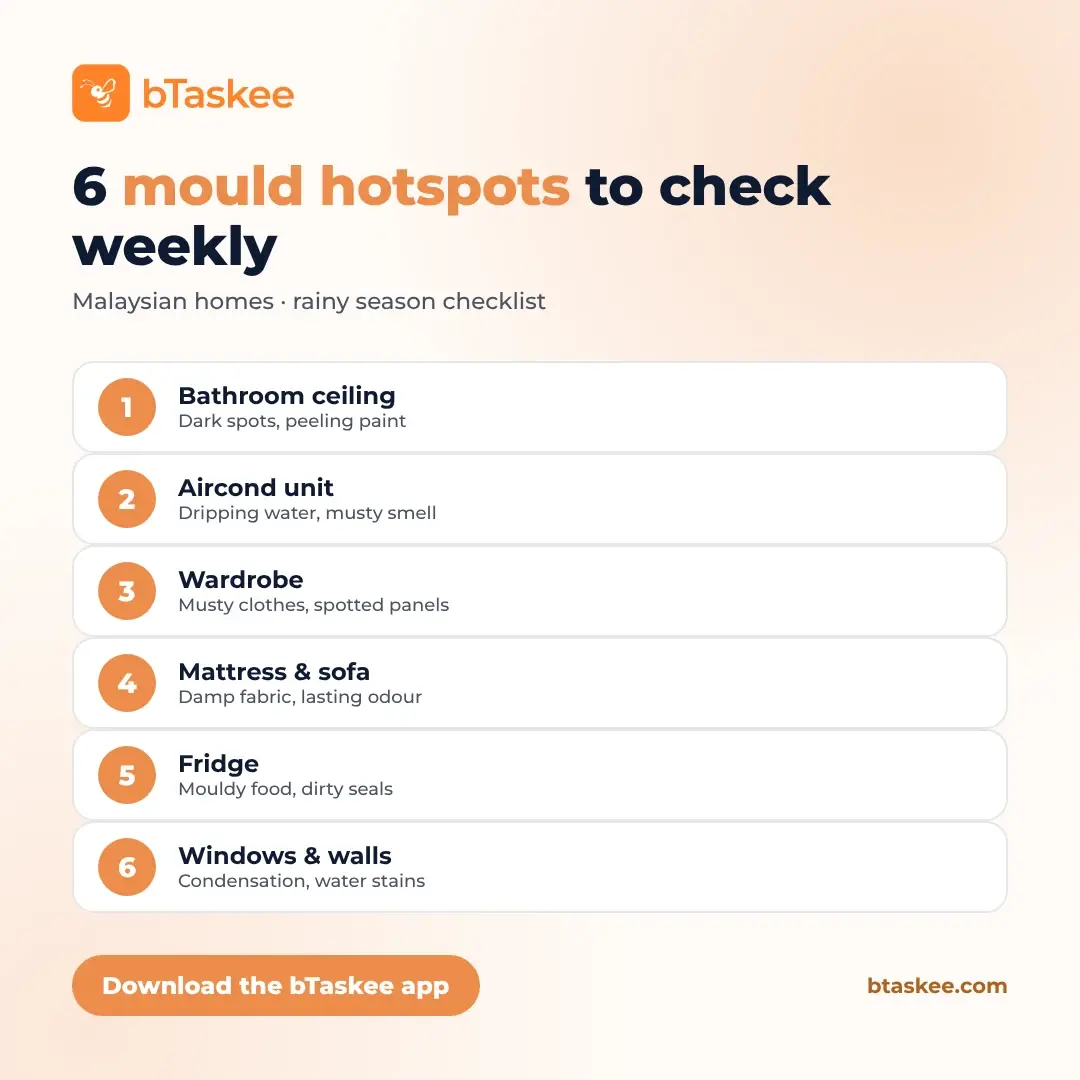
| Area | Warning signs | What to do |
| Bathroom ceiling | Dark spots, peeling paint, musty smell | Improve ventilation, dry surfaces, check for leaks |
| Aircond unit | Dripping water, damp wall, musty smell | Clean filters, check drainage, book servicing if needed |
| Wardrobe | Musty clothes, spots on shelves or panels | Dry stored items, improve airflow, check for leaks |
| Mattress and sofa | Lasting musty smell, damp fabric, visible spots | Keep dry, ask a specialist if mould is present |
| Fridge | Mouldy food, dirty seals, damp shelves | Throw out spoiled food, clean as the manufacturer advises |
| Windows and walls | Condensation, water stains, dark patches | Wipe condensation, control moisture, repair leaks |
Inspect these hotspots once a week during very wet periods, especially if your home gets little natural ventilation.
How to Remove Mould Safely: DIY vs Professional Help
If you've already spotted mould, the right approach depends on how much there is, where it is growing and whether the material can be cleaned safely.

When DIY Cleaning Is Suitable
Small patches of mould on hard, non-porous surfaces such as tiles or glass can usually be cleaned at home, once the moisture source is fixed:
Ventilate the area and keep children and pets away.
Wear gloves and eye protection, plus a mask if recommended for the task.
Clean the surface with detergent and water, following product instructions.
Dry the surface completely.
Wash your hands and clean any reusable tools.
Keep an eye on the area for returning moisture or mould.
Never mix bleach with ammonia, acids or other cleaning products. Don't dry-brush mould or vacuum it with an ordinary vacuum cleaner, as this can spread particles. People with asthma, serious allergies or weak immune systems should not handle mould themselves.
When to Call a Professional
DIY cleaning may not be enough if:
Mould covers a large area or keeps coming back.
The ceiling or wall is soft, swollen or damaged.
There is an ongoing leak or water damage.
Mould has gone into mattresses, sofa padding or other porous materials.
You suspect hidden mould behind walls, under flooring or inside the aircond.
The EPA suggests calling a professional when visible mould covers more than about 10 square feet (around 0.9 m²), especially when there is significant water damage. A mould remediation specialist can find the moisture source and recommend whether materials should be cleaned or replaced. Regular house cleaning is not a substitute for specialist remediation.
When to Book Deep Cleaning, Aircond or Sofa Cleaning
The right service depends on what your home needs. Use this quick guide.

Deep Cleaning for a Thorough Home Refresh
Book bTaskee Deep Cleaning when dust and grime have built up in areas that everyday cleaning misses, such as bathrooms, kitchen surfaces and floors under furniture.
Best for: Routine home maintenance, built-up dirt and hard-to-reach areas.
Aircond Cleaning for Air-Conditioner Maintenance
If your aircond cools poorly, the filters look dirty or it gives off a musty smell, book bTaskee Air Conditioner Cleaning.
Best for: Regular aircond maintenance and cleaning. Ongoing leaks, damaged drainage or suspected mould inside hidden parts may need a qualified aircond technician or mould specialist.
Upholstery Cleaning for Sofas and Fabric Furniture
Sofas and fabric chairs collect dust, everyday dirt and odours over time. bTaskee Upholstery Cleaning suits routine upholstery care, depending on the fabric.
Best for: General upholstery care and everyday dirt. If the sofa has visible mould or moisture inside the padding, contact a specialist first.
All three services can be booked on the bTaskee app, where you can see the price before you confirm. Download the bTaskee app to check prices and pick a time that suits you.
FAQ
How do I stop my house from getting damp during the rainy season?
Keep indoor humidity below 60%, ventilate when it isn't raining, repair leaks quickly and dry wet surfaces as soon as possible. Clean the bathroom regularly, keep wardrobes ventilated and check aircond units for drainage problems.
Why does mould grow on walls and ceilings in Malaysian homes?
Mould grows when moisture stays on surfaces because of high humidity, condensation, water leaks or poor ventilation. Walls and ceilings near roof leaks or plumbing problems are especially at risk.
What humidity level prevents mould indoors?
Keep indoor relative humidity below 60%, ideally between 30% and 50% where practical. A hygrometer helps you see when a dehumidifier is needed.
How can I prevent mould in a condo in Malaysia?
Ventilate rooms when the weather allows, use aircond dry mode or a dehumidifier, dry laundry completely and leave space between large furniture and damp walls. Report suspected structural leaks to building management or your landlord.
How do I prevent mould in my wardrobe during the monsoon?
Store only fully dry clothes, avoid overcrowding the shelves, improve airflow and check for dampness behind the wardrobe. Moisture absorbers help in small closed spaces, but they won't fix leaks or very high humidity.
Can I remove mould from my sofa myself?
Small surface marks can sometimes be handled at home, depending on the fabric. Mould can go deep into upholstery and padding, so avoid hard brushing or ordinary vacuuming over it, and ask a specialist if it has spread or keeps coming back.
Does deep cleaning remove mould permanently?
No. Deep cleaning removes everyday dirt and keeps surfaces in good condition, but it cannot guarantee that mould won't return. The moisture source must be fixed, and large mould problems need specialist remediation.
When should I book professional cleaning during the monsoon?
Book when your home needs a thorough clean, your sofa needs care or your aircond needs servicing. If you notice large areas of mould, repeated leaks or water-damaged materials, call a repair or mould remediation specialist instead.
Keep Your Home Fresh This Rainy Season with bTaskee
A mould-free home comes down to small, steady habits: control humidity, dry wet surfaces, let air circulate and check damp-prone spots often. When your home needs extra help, a bTaskee Tasker can take care of the deep cleaning, aircond or sofa so you can enjoy the rainy season indoors.
For more ideas, read our guide on how to prevent mould at home during the monsoon.
Ready to refresh your home? Download the bTaskee app, check the price and book a cleaning service in just a few taps.
Share this post!